Ramsey Local
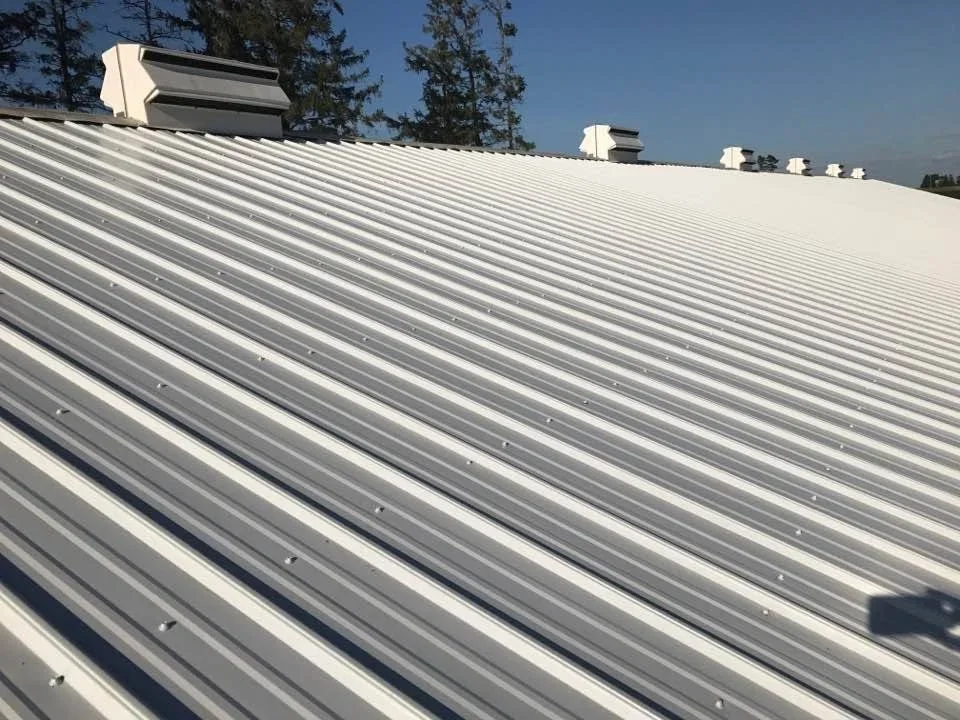
Metal Roofing in Ramsey
Standing seam and metal panel systems installed by a licensed Minnesota contractor with 34 years in the trade.
Request an estimate
Tell us what you need
- 34 Years
- Experience
- Est. 2000
- Ambassador Building Company, Inc.
- MN & IA
- MN License # BC810034
IA Contractor Reg. # C152753
Metal Roofing Ramsey Homeowners Can Rely On
Metal roofing in Ramsey is what Ambassador Exteriors installs for homeowners who are done replacing a roof every 15 years. Mike Goldenstein has been in the trades since 1992, and Ambassador Building Company has been licensed in Minnesota (BC810034) since 2000. If you're weighing metal against architectural shingles, the honest answer is that a properly installed standing seam or exposed-fastener metal system will outlast the asphalt option by decades, and in Minnesota's freeze-thaw cycle, that gap only widens. Call (763) 280-4920 for a straight conversation about whether metal is the right call for your specific roof.
What drives cost on a metal roofing job: profile type (standing seam versus exposed-fastener panel), gauge of the steel or aluminum, roof complexity (number of valleys, penetrations, and pitch changes), whether the existing deck needs reinforcement, and how much flashing detail the perimeter and penetrations require. A simple low-slope roof over a garage installs differently than a multi-plane residential roof with dormers and a chimney. We use manufacturer-approved fastener patterns and sealants rated for thermal movement, because metal expands and contracts with temperature in ways asphalt doesn't, and an installer who ignores that creates leaks within a few seasons. Every job is different. Contact Ambassador Exteriors for an accurate estimate.
What Metal Roofing in Ramsey Actually Involves
- Full tear-off of existing material or direct-over install assessed per deck condition
- Profile selection: standing seam (concealed fastener) or exposed-fastener metal panel
- Gauge and alloy matched to load requirements and thermal movement range
- Ice-and-water shield at all eaves, valleys, and penetrations before panel installation
- Manufacturer-spec fastener patterns and sealants rated for Minnesota's temperature swing
- Ridge, hip, and perimeter flashing detailed to prevent wind uplift and water infiltration
System Types
Standing Seam vs. Exposed-Fastener Metal Panels
The profile you choose affects longevity, maintenance, and total installed cost.
Standing Seam
Panels interlock at a raised seam, keeping every fastener concealed and protected from weather. The floating clip system allows thermal movement without stressing the metal, which is why standing seam systems routinely carry 40-50 year finish warranties. This is the right profile for a permanent roof.
Exposed-Fastener Panels
Steel or aluminum panels screwed through the face with gasketed fasteners. Lower material and labor cost than standing seam. The tradeoff is that gaskets require periodic inspection and eventual replacement. For outbuildings, garages, and lower-slope secondary structures, this profile makes economic sense.
Steel vs. Aluminum
Steel is heavier and more impact-resistant, which matters in Minnesota's hail corridor. Aluminum won't rust, so it's worth considering near water or in environments where salt is used heavily on adjacent surfaces. Gauge matters either way: thinner metal dents more visibly and holds a fastener less securely.
Coatings and Finishes
PVDF (Kynar) finishes hold color and resist chalking far better than polyester coatings. If the finish matters to you aesthetically, ask which coating system is on the panel you're being quoted. A 30-year finish warranty means nothing if it's on a coating that fades in 10.
Installation Standard
How We Handle Thermal Movement and Fasteners
From First Call to Finished Roof
- 01
Assess and Specify
Mike or a crew member walks the roof, checks deck condition, documents penetrations and perimeter detail, and specifies the system: profile, gauge, coating, fastener pattern, and underlayment. No assumptions, no generic quotes.
- 02
Install to Manufacturer Spec
Tear-off or over-deck installation per the deck assessment. Ice-and-water shield at all vulnerable planes. Panels installed with correct fastener torque and thermal gap. Every penetration flashed and sealed to spec before we move on.
- 03
Inspect and Clean Up
Ridge caps, hip trim, and perimeter flashing detailed. Full inspection of fasteners, seams, and flashings. Magnetic sweep of the work area. You get a finished roof and a clean site.
Why These Credentials Matter on a Metal Roof
34 years in the trade. One licensed owner. The same standard on every job.
- In business since 2000, in the trades since 1992
- Mike started as an installer out of high school. The experience behind the license is real.
- Manufacturer-spec installation
- We follow published installation guidelines because that's what keeps material warranties valid.
- No subcontracting
- The crew that shows up is the Ambassador crew. We don't hand metal roofing jobs to whoever's available.
Metal Roofing Questions Answered
What's better for a Minnesota home: shingles or a metal roof?
What is the biggest problem with metal roofs?
Can a metal roof go directly over plywood decking?
What drives the price of metal roofing per square foot?
Why don't more people choose metal roofing?
Does a metal roof require different attic venting than shingles?
Can storm-damaged metal roofing be repaired, or does it need full replacement?
Does a metal roof need different attic venting than shingles?
What are the disadvantages of a zinc or premium metal roof?
Metal Roofing Across the Northwest Metro
Ambassador Exteriors installs metal roofing throughout Anoka County and the broader northwest metro. We're not a franchise and we don't hand jobs off. If you're outside the core list below, call and ask.
In the field
A look at our work
Ready to Talk About a Metal Roof?
Call Mike directly. You'll talk to the contractor who owns the company, not a scheduler.
Related
Next step
Tell us about the job
Your name, your number and what needs doing. A person from Ambassador Exteriors gets back to you.
Rather talk now?(763) 280-4920mike@ambassadorexteriors.com